
Landfill Liner Sequence: Layers and Acceptance Points
A landfill liner is built bottom-up: base preparation, compacted clay or GCL, HDPE primary membrane, geotextile protection layer, leachate drainage layer and final cover. Specs, laps and inspection ratios follow design documents and current codes.
Liner composition and materials
A landfill containment system is not a single membrane but a layered system: base preparation, auxiliary liner, primary barrier, protection layer, leachate drainage layer and final cover. The compacted clay layer or bentonite GCL provides secondary containment and defect sealing; the HDPE geomembrane is the primary barrier; geotextile protects the membrane from puncture; the drainage layer collects and conveys leachate; the final cover limits rainwater infiltration. The layers depend on one another in sequence, and reversing the order often means rework.
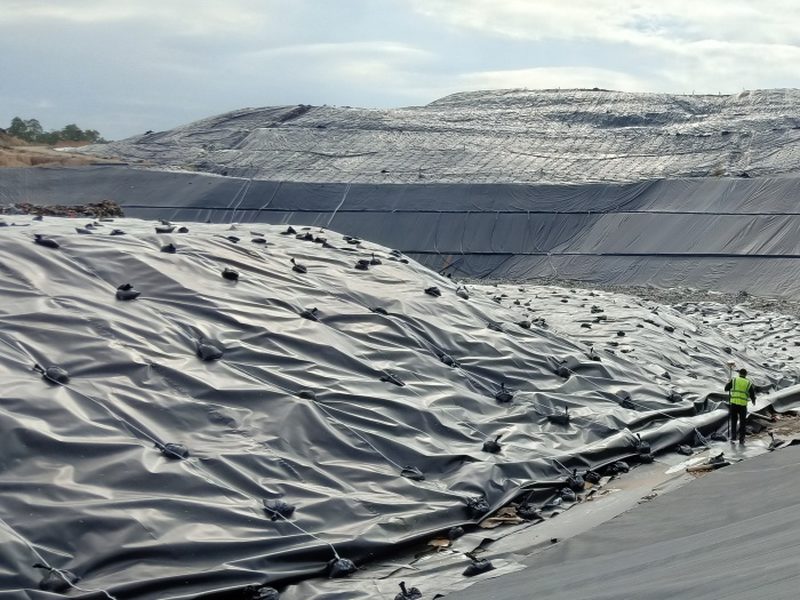
This article walks bottom-up through each layer and its acceptance points. Thickness, weight and lap widths below are common reference ranges; final values follow project drawings, current codes and delivered-batch test reports. Related products: HDPE geomembrane, geotextile, bentonite GCL, composite drainage net.
Step 1: base preparation and acceptance
The base supports the entire liner system and is finished before any containment material. Clear vegetation, refuse, loose soil and sharp debris from the base; level and compact the subgrade as designed. Cavities, fissures or seepage points must be treated before laying the liner.
- Compaction: inadequate compaction may cause differential settlement and tear the membrane above.
- Levelness: bumps or sharp debris left under the membrane create voids that can lead to puncture under later load.
- Drainage: remove standing water before membrane work; stop membrane laying in rain and resume after water is cleared.
The base must pass acceptance before the next liner layer proceeds; membrane or GCL should not be laid on an unaccepted base.
Step 2: compacted clay layer or bentonite GCL
Where a compacted clay liner is designed, backfill and roll in lifts; lift thickness and moisture content follow the design, and compaction and permeability are sampled after rolling. Where GCL replaces the clay cushion, unroll from low to high points, seal laps with bentonite powder, and anchor the crest in an anchor trench. Cover the GCL the same day where possible; avoid prolonged sun exposure and soaking.
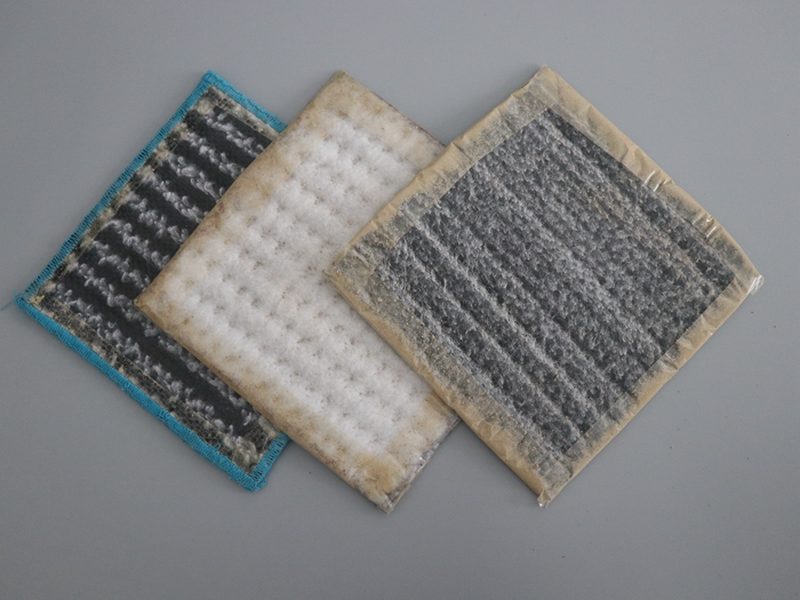
GCL and geomembrane are often combined as a composite liner by design. Their containment mechanisms differ, so they should not be treated as simple substitutes; whether and how to combine them is determined by the designer based on medium, head and base conditions.
Step 3: HDPE primary geomembrane
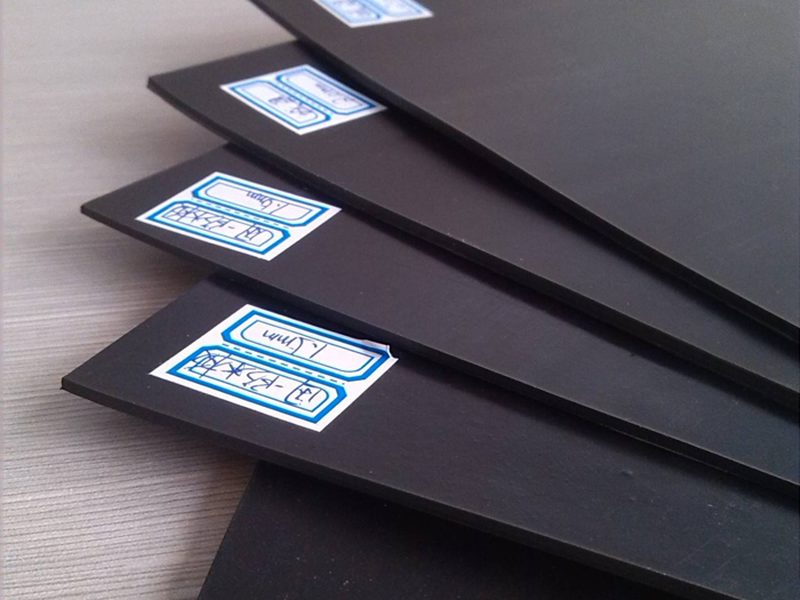
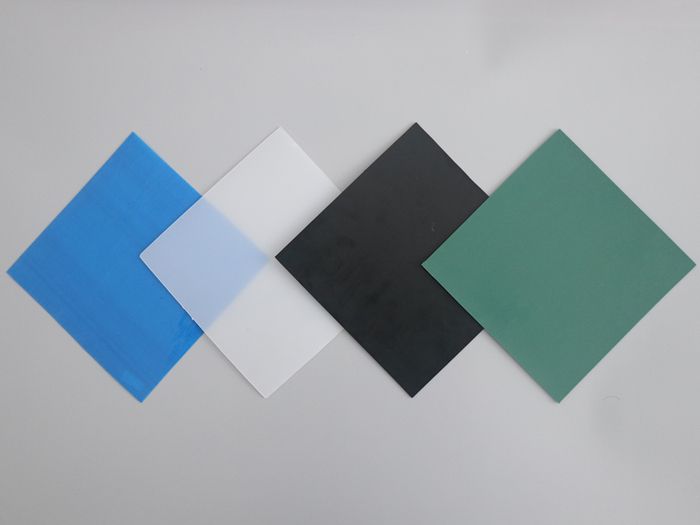
The primary membrane is the core barrier of the system. Smooth membrane is generally used on the base; textured or dimpled membrane may be used on slopes for better friction. Membrane thickness follows the design and is graded by risk; common landfill parts are around 1.5mm, with high-risk areas potentially thickened toward 2.0mm. Thickness and indexes are not selected without site conditions.
- Laying order: base first, then slopes; downstream first, then upstream; leave slack in the membrane and avoid over-tensioning.
- Laps: lap width follows codes and design, upper sheet over lower; round off internal corners at base-slope junctions and avoid concentrated cross seams.
- Joining: double-track hot-wedge welding is standard; extrusion welding is used at joints and repairs; trial welds on site set parameters.
- Inspection: seams pass air or vacuum leak testing; critical seams are fully tested and general seams sampled; large bases may add electrical leak location to find pinholes.
The protection layer must not be placed until seams pass inspection. Welding practice and seam inspection are detailed in geomembrane welding and seam inspection notes.
Step 4: geotextile protection layer
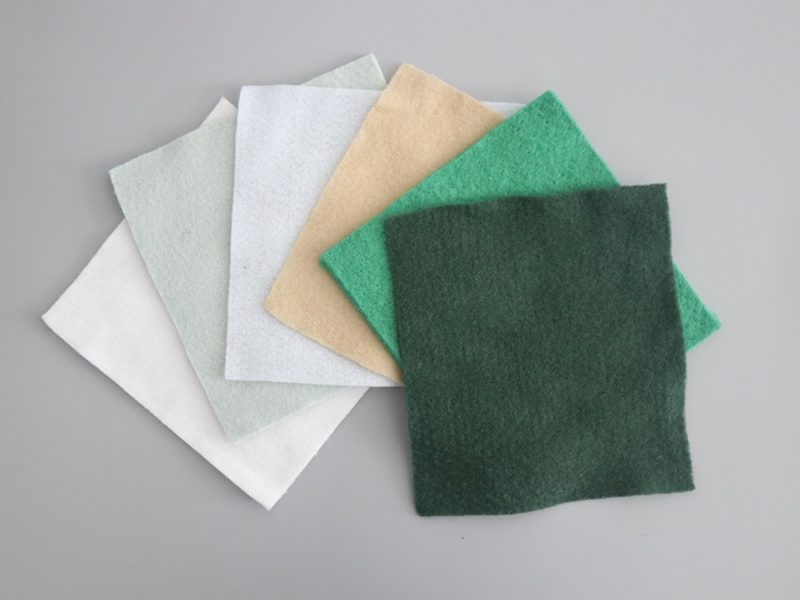
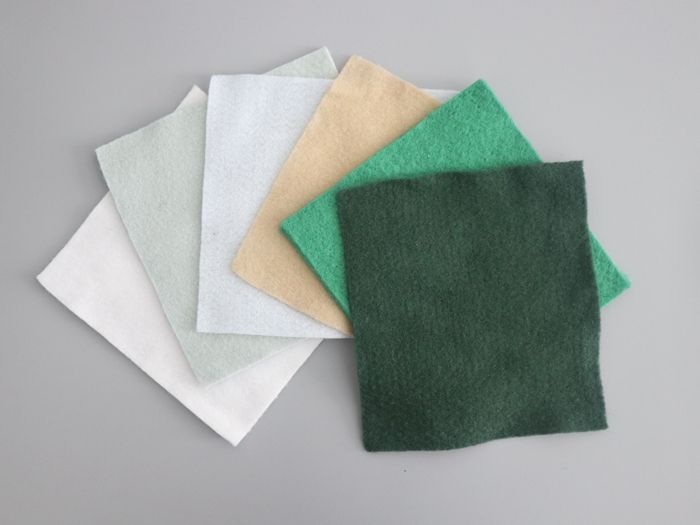
After the membrane passes inspection, a geotextile protection layer is laid above it to isolate the membrane from gravel, drainage material and backfill and prevent puncture. Geotextile weight follows the design, commonly in the 400g–600g range; laps may be sewn or firmly pressed, and lap seams are offset from membrane welds rather than stacked on them.
- Personnel and tools are handled gently; tools and boxes are not dragged across the membrane.
- Gravel or heavy materials are not placed until the geotextile is secured.
- No sharp debris is trapped between the protection layer and the membrane.
Step 5: leachate drainage layer
Above the protection layer, the leachate drainage layer collects and conveys leachate to the sump. It may be a gravel cushion with filter geotextile, or a 3D composite drainage net. Gravel size and net specs follow the design; lay from the inner side outward to avoid puncturing the geotextile below.
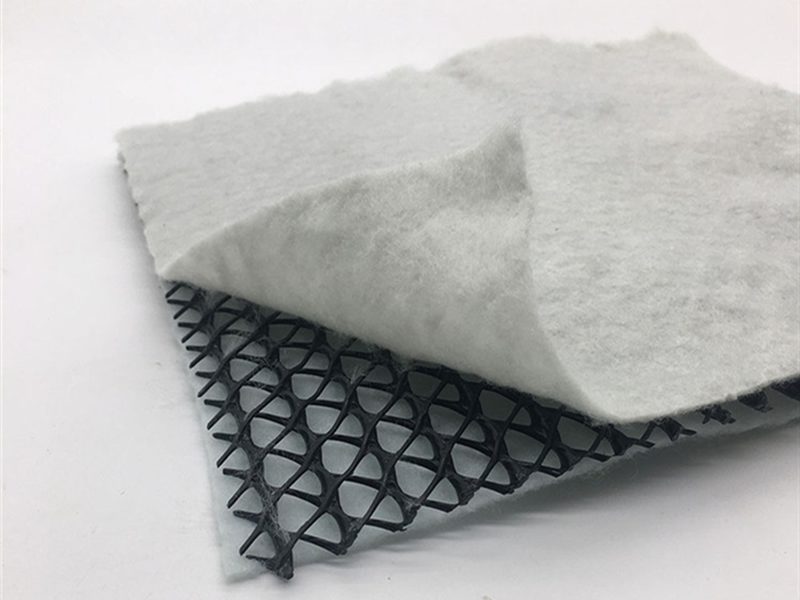
- The drainage layer grades toward the sump per design to avoid ponding.
- Sumps and membrane penetrations are pre-positioned and sealed per design detail drawings.
- Completed membrane and fabric are protected during drainage-layer work to avoid re-puncture.
Step 6: final cover
Once waste reaches design elevation, the final cover is placed. A typical cover profile includes a gas collection layer, cover barrier, drainage layer and vegetation layer. The cover barrier also uses HDPE membrane or another designed barrier; thickness and slope stability are determined by code calculations. Surface drainage ditches follow the slope to reduce rainwater infiltration into the waste mass.
Cross-trade, protection and documentation
Containment works are concealed works, and handover between layers must be recorded: one layer is not started until the previous passes acceptance; the protection fabric is not laid until membrane seams pass testing; gravel is not placed until the fabric is secured. Machinery moving across the membrane area needs a protective cushion and must not run directly on the membrane. Welding equipment and tool boxes sit on soft pads and are not dragged.
- Records: material batches, spec marks, test reports, concealed-work acceptance records and seam inspection records are archived per layer.
- Traceability: if a leak is suspected during operation, batch records and acceptance records help locate the area and responsible stage.
- Scope: design, structural safety and construction responsibility follow opinions of qualified design and construction units.
Dezhou Yurun Geotechnical Material Co., Ltd. can supply HDPE geomembrane, geotextile, bentonite GCL and composite drainage net layer by layer for landfill linings, and help verify specs and available inspection documents. Submit an engineering inquiry or call the hotline on the page. See also the landfill containment solution.
Related Products
Geomembrane
HDPE / LDPE / LLDPE impermeable membrane
Geotextile
Filament / staple / woven geotextile
Composite Geomembrane
Two-cloth-one-membrane / one-cloth-one-membrane
Related Cases
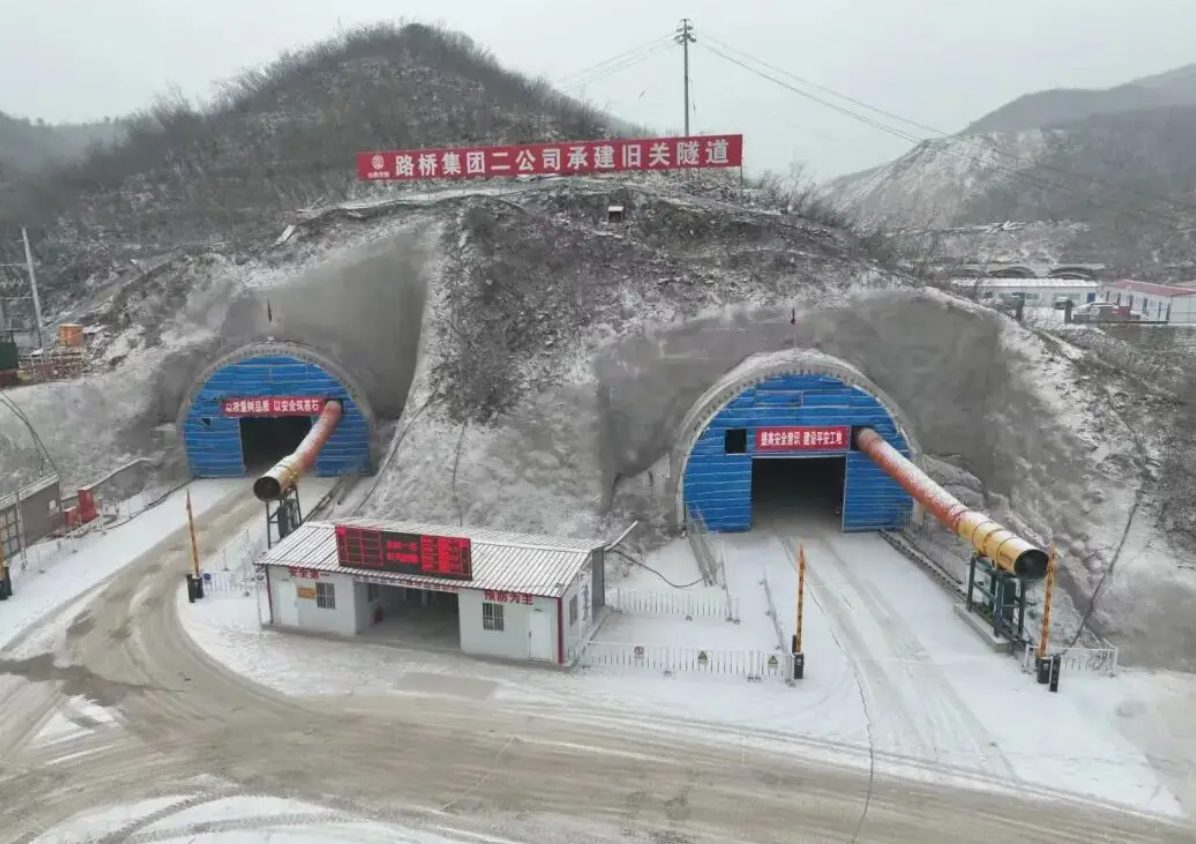
Taiyuan Tunnel Geotextile Bid Candidate
400g/㎡ impermeable geotextile, 400g/㎡ filament woven geotextile, 350g/㎡ short-fiber needle-punched geotextile
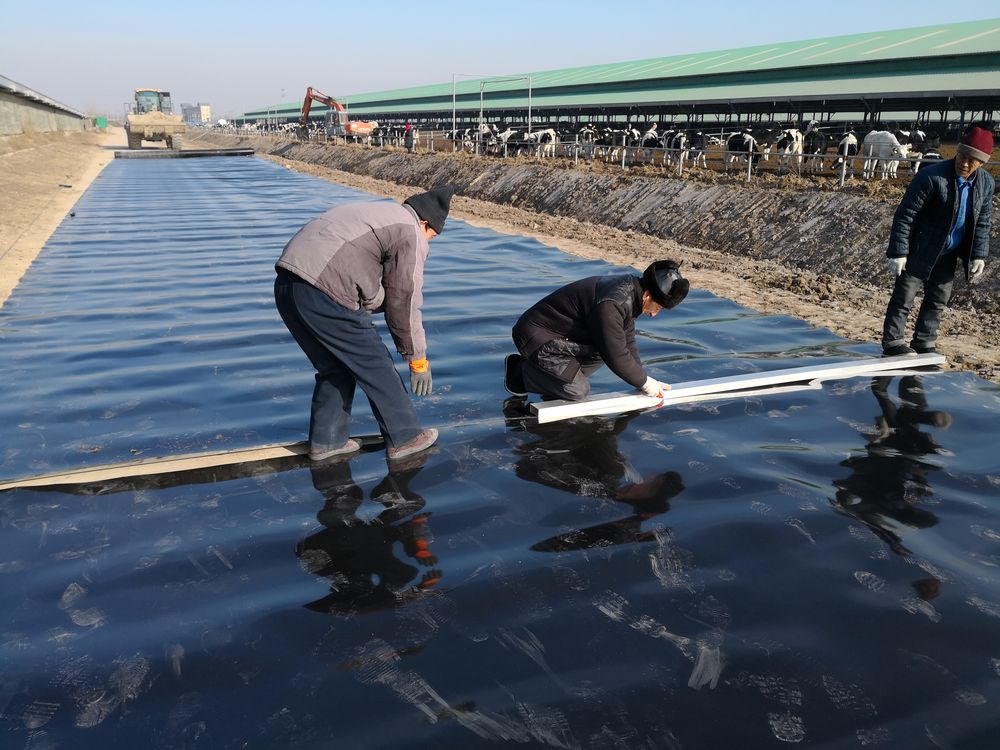
Livestock Wastewater Pond Lining
HDPE geomembrane, matching geotextile
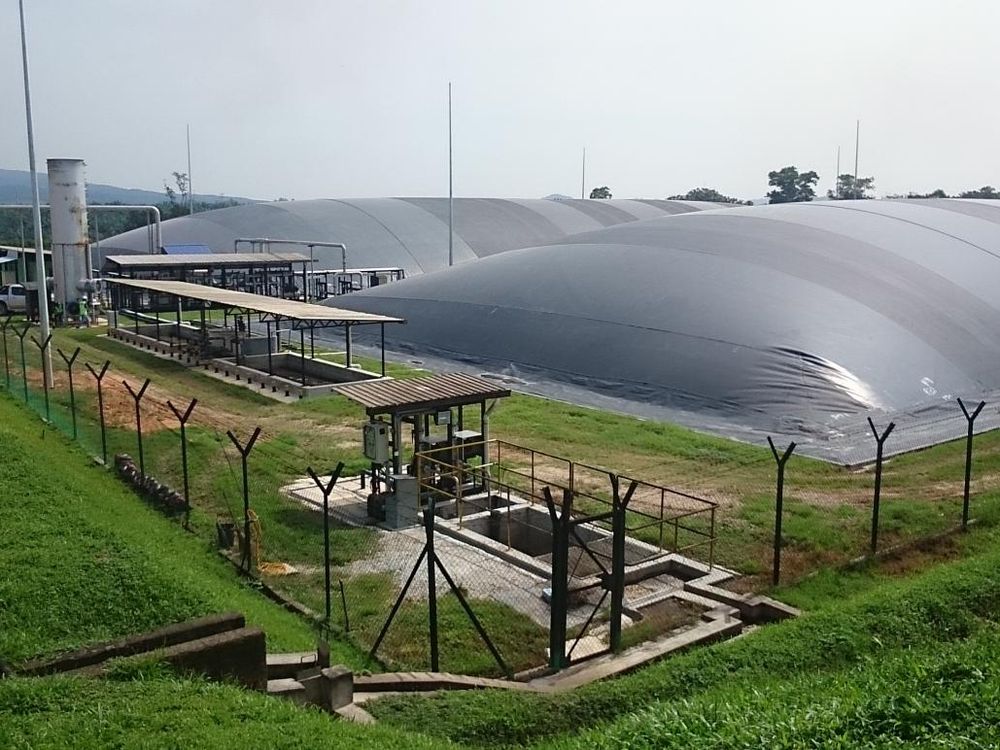
Membrane-Covered Biogas Digester
HDPE geomembrane (bottom/top membrane)
Common Questions
Are you a manufacturer? What do you supply?
Dezhou Yurun Geotechnical Material Co., Ltd. is located in the Lingcheng Economic Development Zone, Dezhou, Shandong. Products include HDPE/LDPE/LLDPE smooth, textured and dimpled geomembrane, filament/staple/woven geotextile, composite geomembrane (one-cloth-one-membrane, two-cloth-one-membrane), sodium bentonite GCL, composite drainage net, eco bags, tunnel waterproof board, drainage board, flame-retardant woven bags, weed control fabric and concrete carpet, serving landfills, tailings ponds, reservoirs, wastewater ponds, digesters, slopes and road reinforcement. Self-produced and sourced categories follow actual operations.
What is the manufacturer contact number?
Hotline 0534-8661234, mobile/WeChat 13969202278 (Mr. Zhao), for engineering procurement, bidding, site selection and containment retrofit inquiries. When contacting us, please state the project scenario (landfill, tailings, reservoir, aquaculture pond, slope, etc.), material type, thickness or weight, estimated quantity, delivery region and required lead time, so available specs and a comparable quote can be prepared.
Where is the company located? Can I visit the plant?
The company is at the middle section of Wuyou Street, west side, Lingcheng Economic Development Zone, Dezhou, Shandong. Engineering and project clients are welcome to visit by appointment; please call ahead to confirm the reception time. On a visit you can review roll specs, samples, stock and related categories. Remote clients may first review photos, spec sheets and inspection documents before arranging samples or a plant visit.