
Fish Pond Liner Thickness: Is 0.5mm Enough?
Pond liner thickness depends on base condition, species, netting and aerator work, slope and leakage control. 0.5mm is a common reference for level new ponds; rocky bases, shellfish and hillside reservoirs may need thicker membrane, and raw material grade matters as much as thickness.
How liner thickness is chosen
Pond, shrimp and lotus-pad aquaculture liners reduce seepage and make-up water loss with an impermeable geomembrane. Thickness is not a case of "thicker is always better", nor a single fixed number: it depends on base evenness, species, netting and aerator work, slope, local climate and leakage-control requirements. The 0.5mm, 0.75mm and 1.0mm figures below are common reference ranges; final thickness and raw material grade follow design requirements, current codes and the delivered-batch test report.
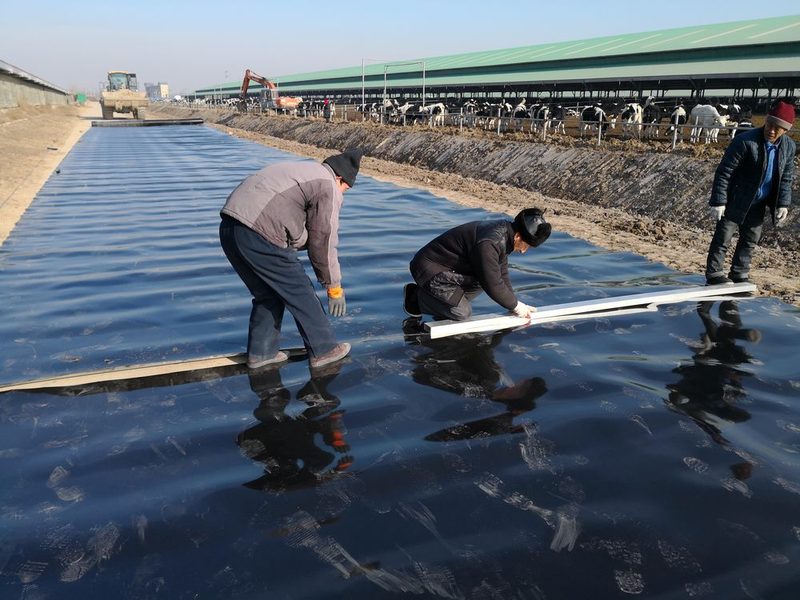
Related materials: HDPE geomembrane and geotextile cushion. For general thickness logic, see how to choose geomembrane thickness.
Level new ponds: is 0.5mm enough
For a newly dug, level pond free of stones, roots and sharp debris, rearing common carp, tilapia or regular freshwater shrimp in good base conditions, a 0.5mm-grade membrane is a common reference thickness. Soil cover or edge weighting above the membrane reduces direct UV exposure and contact with hard objects.
- 0.5mm is not a universal minimum: rocky, debris-rich bases, frequent work or special leakage requirements call for a thicker grade.
- Do not default to 1.0mm: on a level, protected new pond, extra thickness raises material and laying cost; cost-effectiveness should be assessed against the actual conditions.
- Soil cover thickness and compaction follow site conditions and construction requirements, to hold the membrane in place and reduce wind lift and UV aging.
When to go 0.75mm / 1.0mm
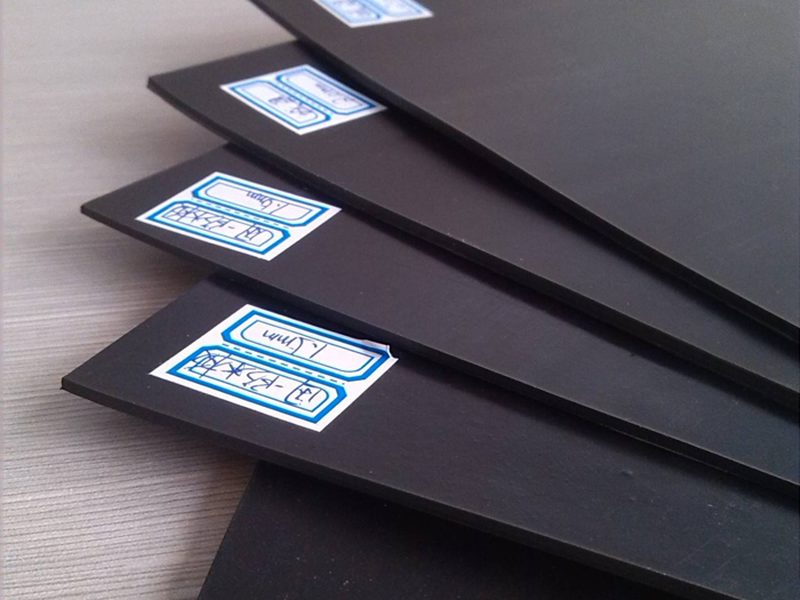
Under the following conditions, thickness is usually raised above the 0.5mm reference, commonly toward 0.75mm or 1.0mm:
- Stones, rubble or an incompletely desilted old pond: sharp edges can locally press on the membrane; extra thickness adds puncture margin, and a geotextile cushion is advisable where possible.
- Turtle, crab or other shellfish / sharp-claw species, or frequent netting and aerator movement: rope friction, animal activity and equipment traffic repeatedly contact the membrane; heavily worked ponds should use a thicker grade with stronger protection.
- Hillside ponds, steeper slopes or high-requirement storage reservoirs: slope loading and the consequence of leakage are greater; membrane type and thickness follow design and slope conditions rather than a flat-pond thin membrane.
Thicker membrane does not replace base preparation: where stones and roots are not cleared, even a thick membrane can be damaged under localized concentrated load.
Raw material grade matters as much as thickness
Beyond thickness, raw material grade strongly affects long-term performance. Virgin-material membrane and membrane with recycled or regrind content may differ in tensile, aging and bending behavior; high regrind content tends to harden and become brittle under sun, temperature cycling and repeated bending.
- Appearance is only a first check: virgin membrane is usually blacker and smoother; high-regrind membrane tends to look gray, dull and rough. Appearance alone is not conclusive.
- Request samples first: compare flexibility and surface evenness by folding the sample, and check tensile strength, elongation and carbon black content against the batch test report.
- Do not order on thickness alone: at the same thickness, raw material and process can produce clearly different indexes.
Service performance depends on formulation, UV exposure, soil cover, work intensity and maintenance; a fixed service life should not be promised verbally. Acceptance follows batch inspection documents and on-site construction quality.
Laying and cushion protection
- Base clearing: remove stones, roots and hard lumps before laying; level and compact the base to avoid voids and pressure points.
- Laying and joining: work in suitable weather, smooth and slacken the membrane before welding; lap width and seam type follow codes and product requirements, and each seam is checked.
- Anchoring and weighting: fix edges and crests per design, with soil cover or blocks to prevent wind lift.
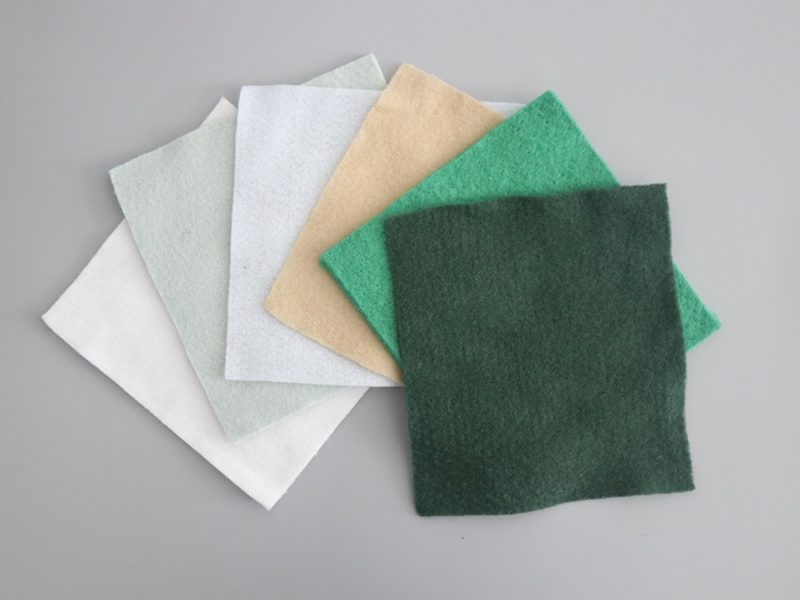
- Cushion protection: for larger ponds or bases with fine gravel, lay a geotextile cushion under the membrane to separate hard objects; laps and offsets between fabric and membrane follow construction requirements.
Information to confirm before ordering
Before requesting a quote, note: species and stocking density, base material and whether it contains stones, hillside or flat ground, area and water depth, frequent netting or equipment movement, local climate and soil cover conditions. The supplier uses these to check membrane thickness, raw material grade and cushion.
Dezhou Yurun Geotechnical Material Co., Ltd. supplies HDPE geomembrane, geotextile and related materials for aquaculture ponds, and can help verify specs and available inspection documents. Describe your pond conditions for a reference thickness and quote estimate; submit an engineering inquiry, and see parameters on the geomembrane product page.
Related Products
Geomembrane
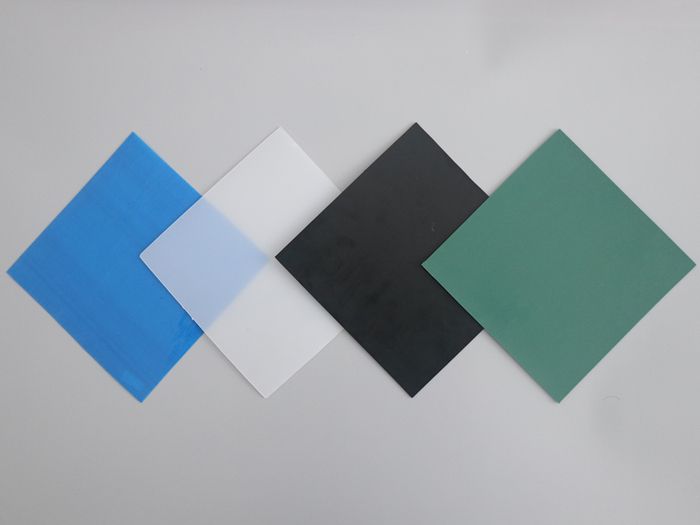
HDPE / LDPE / LLDPE impermeable membrane
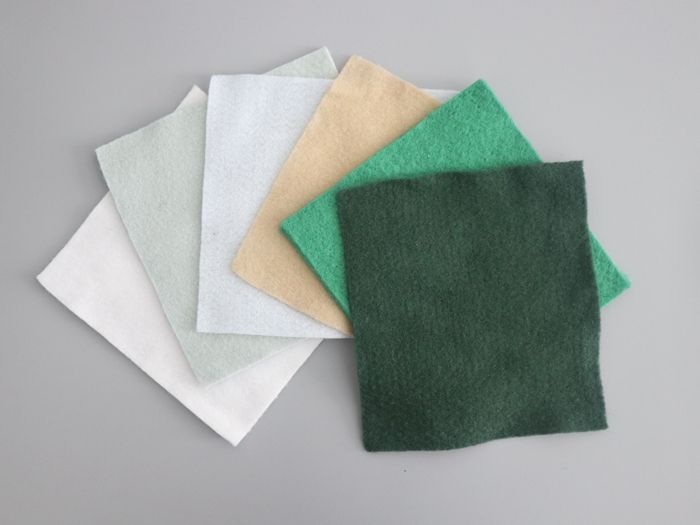
Geotextile
Filament / staple / woven geotextile
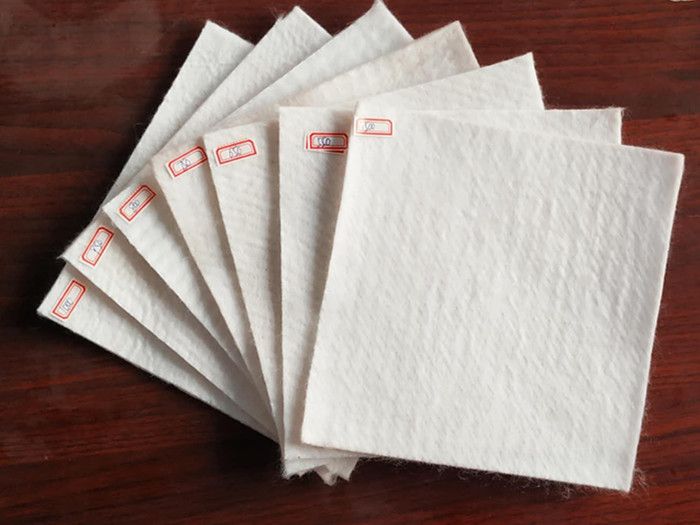
Composite Geomembrane
Two-cloth-one-membrane / one-cloth-one-membrane
Related Cases
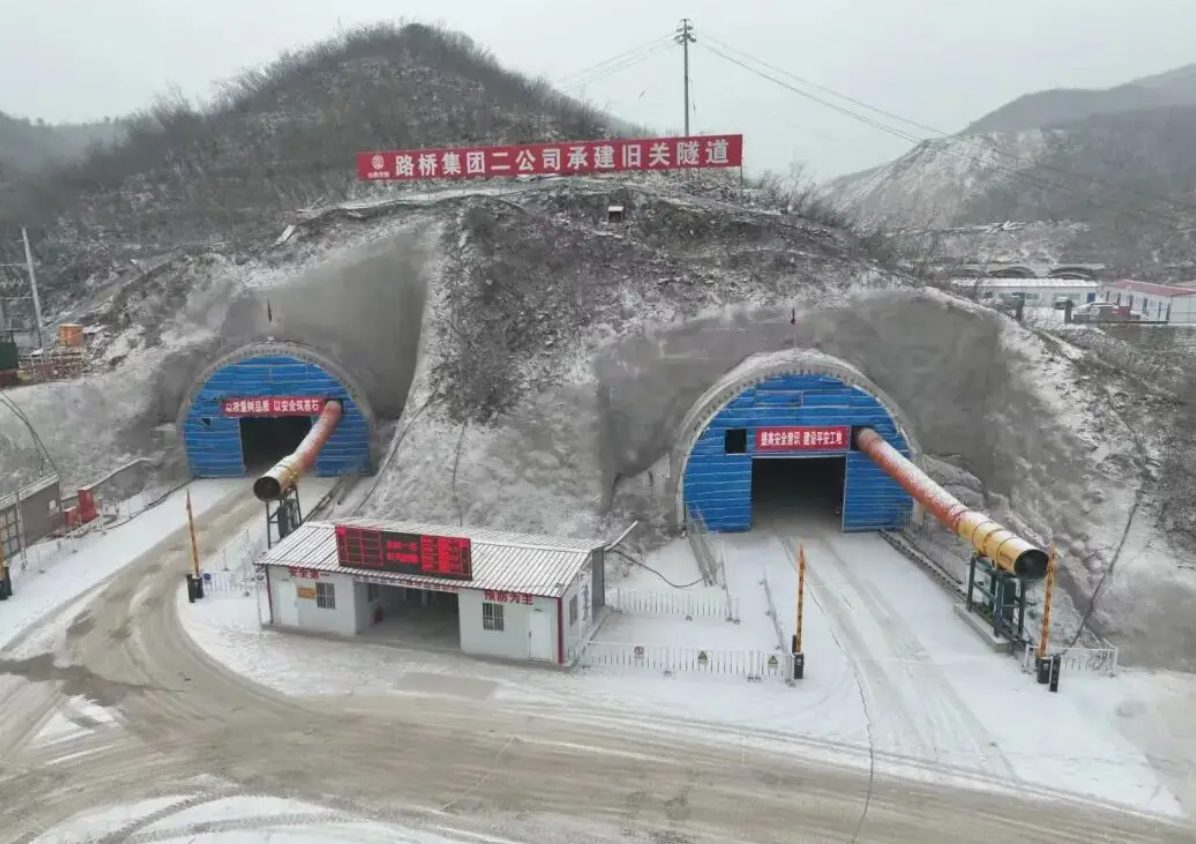
Taiyuan Tunnel Geotextile Bid Candidate
400g/㎡ impermeable geotextile, 400g/㎡ filament woven geotextile, 350g/㎡ short-fiber needle-punched geotextile
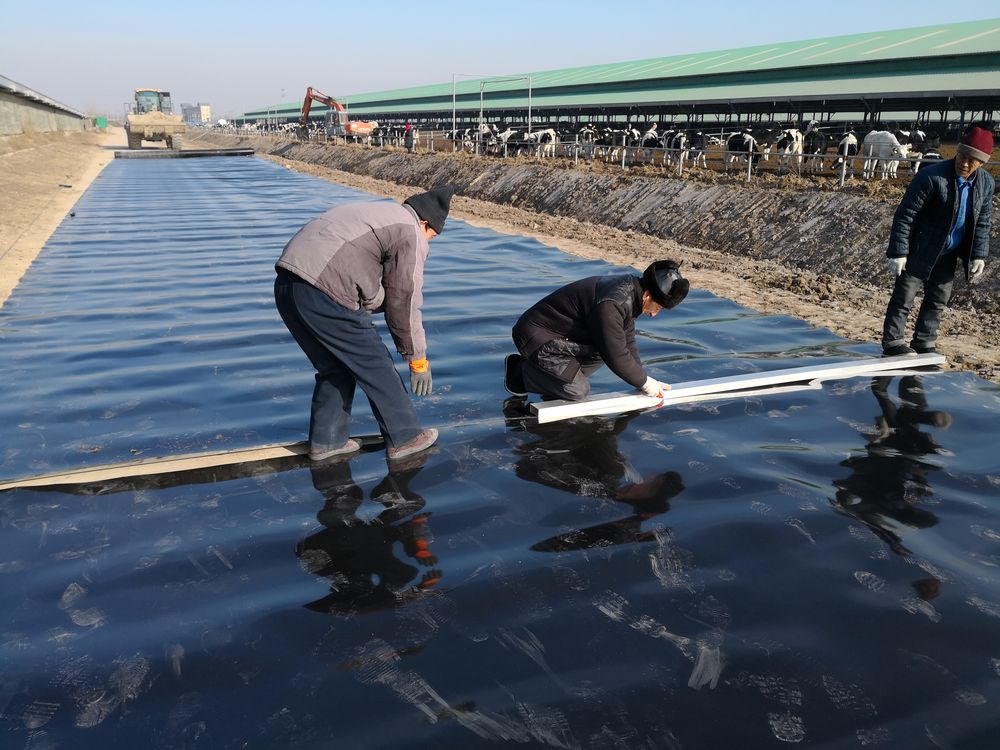
Livestock Wastewater Pond Lining
HDPE geomembrane, matching geotextile
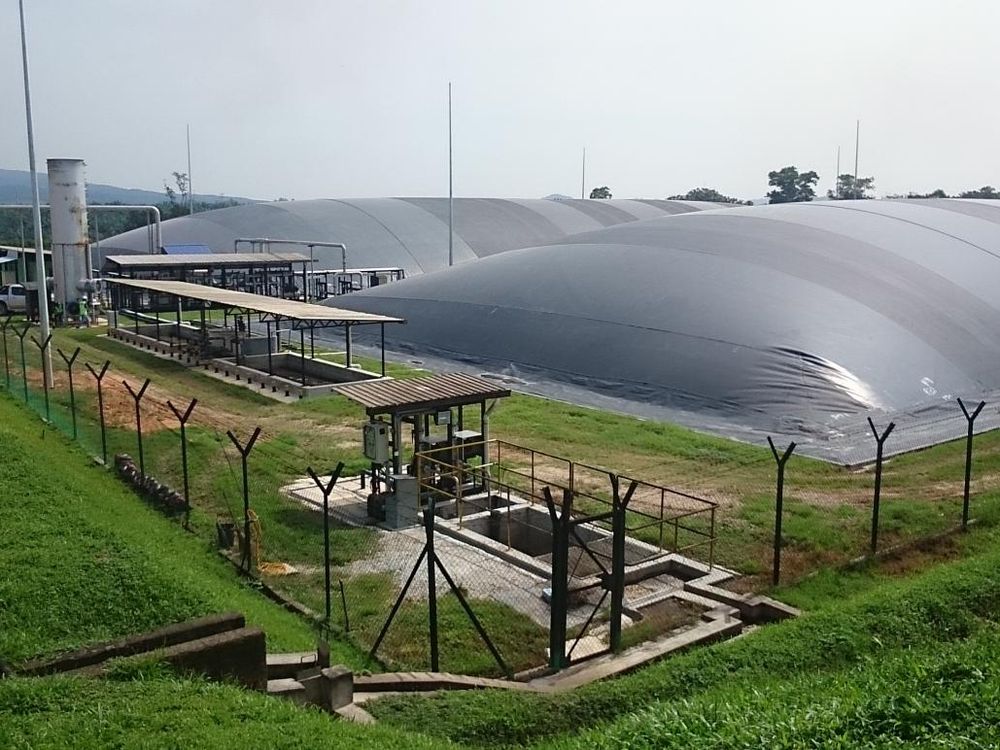
Membrane-Covered Biogas Digester
HDPE geomembrane (bottom/top membrane)
Common Questions
Are you a manufacturer? What do you supply?
Dezhou Yurun Geotechnical Material Co., Ltd. is located in the Lingcheng Economic Development Zone, Dezhou, Shandong. Products include HDPE/LDPE/LLDPE smooth, textured and dimpled geomembrane, filament/staple/woven geotextile, composite geomembrane (one-cloth-one-membrane, two-cloth-one-membrane), sodium bentonite GCL, composite drainage net, eco bags, tunnel waterproof board, drainage board, flame-retardant woven bags, weed control fabric and concrete carpet, serving landfills, tailings ponds, reservoirs, wastewater ponds, digesters, slopes and road reinforcement. Self-produced and sourced categories follow actual operations.
What is the manufacturer contact number?
Hotline 0534-8661234, mobile/WeChat 13969202278 (Mr. Zhao), for engineering procurement, bidding, site selection and containment retrofit inquiries. When contacting us, please state the project scenario (landfill, tailings, reservoir, aquaculture pond, slope, etc.), material type, thickness or weight, estimated quantity, delivery region and required lead time, so available specs and a comparable quote can be prepared.
Where is the company located? Can I visit the plant?
The company is at the middle section of Wuyou Street, west side, Lingcheng Economic Development Zone, Dezhou, Shandong. Engineering and project clients are welcome to visit by appointment; please call ahead to confirm the reception time. On a visit you can review roll specs, samples, stock and related categories. Remote clients may first review photos, spec sheets and inspection documents before arranging samples or a plant visit.